
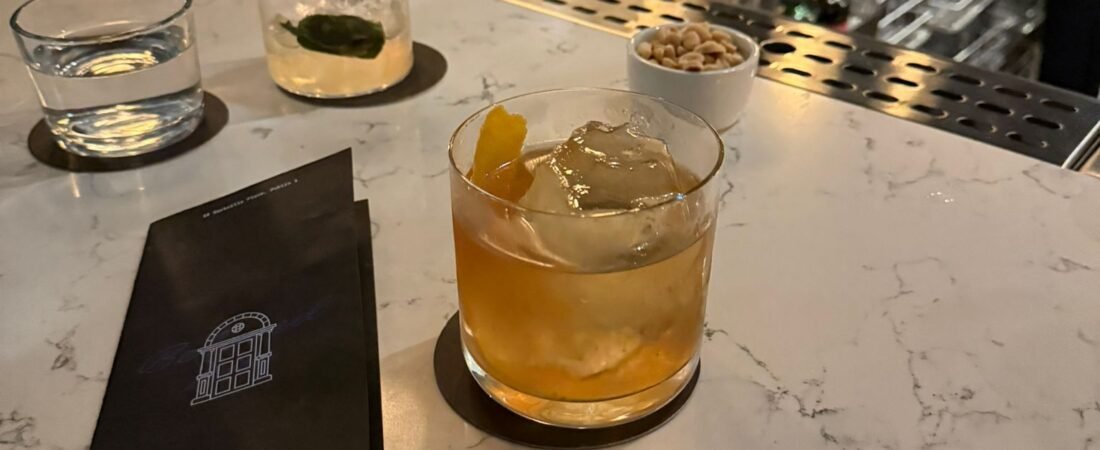
The Old Fashioned: The Classic Cocktail and an Emblem of American Drinking Tradition
Few drinks carry the weight, legacy, and cultural authority of the old fashioned cocktail receipe. Often described as the original cocktail, it represents the earliest definition of what a cocktail was: spirit, sugar, water, and bitters. Over nearly two centuries, the old fashioned cocktail receipe has evolved, been reinvented, reclaimed, and ultimately crowned as one of the most iconic drinks in the world. Its story is one of tradition, rebellion, craftsmanship, and enduring appeal.
Historical Background
The old fashioned’s roots stretch back to the early 1800s, when the word “cocktail” itself was defined as a mixture of spirits, bitters, sugar, and water. This simple formula appeared in print as early as 1806 in The Balance and Columbian Repository, describing what Americans were drinking long before modern mixology took shape.
By the mid‑19th century, bartenders began experimenting with more elaborate drinks — adding liqueurs, absinthe, curaçao, and exotic ingredients. These “improved” cocktails were fashionable, but not universally loved. Many drinkers preferred the original, stripped‑back style. When ordering, they would ask for a cocktail made “the old way,” and the name stuck.
The first formal printed recipe for the Old Fashioned appeared in the 1880s, often using rye whiskey, a sugar cube, bitters, and a twist of lemon. It was a drink of simplicity and balance, reflecting the straightforward tastes of the era.
Cultural Significance
The Old Fashioned became a symbol of American identity. It was served in gentlemen’s clubs, hotel bars, and early saloons, representing refinement without pretension. Its simplicity made it democratic — enjoyed by businessmen, travellers, and working‑class drinkers alike.
The old fashioned cocktail receipe is not just a drink; it’s a conversation starter, a bridge between generations of cocktail lovers. Its enduring popularity stems from both its simplicity and its complexity, making the old fashioned cocktail receipe a versatile choice for any occasion.
As you explore different variations of the old fashioned cocktail receipe, you will discover countless adaptations that honor the original while inviting personalization, ensuring the old fashioned cocktail receipe remains relevant in modern mixology.
During Prohibition, the Old Fashioned survived in speakeasies, though often made with poor‑quality spirits. After repeal, it returned to prominence as a staple of mid‑century cocktail culture. By the 1950s and 60s, it was considered a sophisticated drink for adults who valued tradition.
Its cultural revival in the 21st century owes much to television. The character Don Draper in Mad Men famously ordered Old Fashioneds, reintroducing the drink to a new generation and cementing its status as a symbol of classic masculinity, elegance, and American nostalgia.
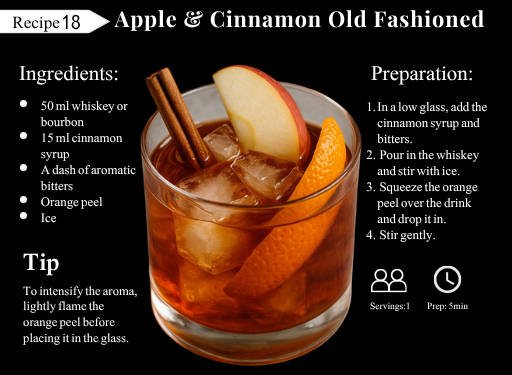
Evolution Over Time
Despite its simple structure, the Old Fashioned has undergone several notable transformations: Here’s a great video showing how the Old Fashioned evolved over time. It covers everything from the classic mix of whiskey, a dash of bitters, and sugar, to the smoother modern approach using simple syrup. You’ll also see how bartenders finish the drink today with a clear large ice cube and an orange twist that’s expressed to release fresh oils. It’s a perfect companion to the “Evolution Over Time” section.
- Rye to Bourbon
Early versions used rye whiskey, but bourbon became the dominant choice in the 20th century due to its sweeter profile.
- Fruit‑Heavy Mid‑Century Style
From the 1940s to the 1970s, bartenders added muddled cherries, apples and orange slices, creating a sweeter, more colourful version. Purists later rejected this as a departure from tradition.
- Return to Minimalism
The craft cocktail revival of the 2000s restored the original formula: whiskey, sugar, bitters, and citrus oil. This “clean” version is now the global standard.
- Modern Interpretations
Bartenders experiment with smoked glasses, flavoured syrups, barrel‑aged bitters, and alternative spirits like rum, tequila, or mezcal.
Notable Bartenders or Bars
- Jerry Thomas — While he didn’t name the Old Fashioned, his early cocktail definitions shaped its foundation.
- Pendennis Club, Louisville — Often credited with popularising the modern Old Fashioned in the late 19th century.
- Modern craft bars such as Death & Co and PDT — instrumental in restoring the classic minimalist version.
Modern Variations
- Rum Old Fashioned — Rich, tropical, and molasses‑forward.
- Tequila or Mezcal Old Fashioned — Smoky, earthy, and contemporary.
- Maple Old Fashioned — Uses maple syrup for a warm, autumnal sweetness.
- Smoked Old Fashioned — A theatrical modern favourite using smoked glassware.
- Chocolate or Coffee Bitters Old Fashioned — Adds depth and complexity.
Relevance Today
The old fashioned remains one of the most ordered cocktails worldwide. Its simplicity makes it timeless, while its adaptability keeps it modern. It appeals to purists, craft‑cocktail enthusiasts, and newcomers alike. Whether served in a high‑end bar, a home kitchen, or a hotel lounge, the old fashioned continues to embody the essence of cocktail craftsmanship — proof that the simplest ideas often endure the longest.
The old fashioned cocktail receipe has become a staple in bars around the world, symbolizing the craft of cocktail making. Whether enjoyed neat or with a twist, the old fashioned cocktail receipe continues to satisfy palates.