
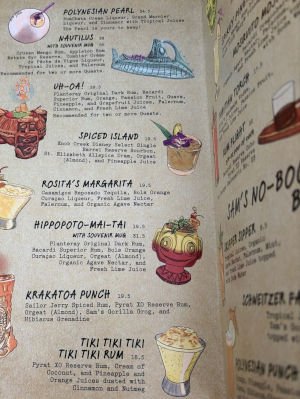
The Allure of Vintage Tiki Menus: Why These Tropical Treasures Are So Collectable
There’s something irresistibly charming about a vintage tiki menu. Open one up and you’re instantly transported to a world of bamboo bars, rum‑soaked escapism, and mid‑century imagination. These menus weren’t just lists of drinks — they were theatrical props, works of art, and cultural artefacts created by some of the most inventive entrepreneurs of the 20th century.
Today, they’ve become highly collectable pieces of cocktail history.
As you flip through the pages of a vintage tiki menu, you encounter an array of vibrant colors and intricate designs that tell stories of distant lands and exotic ingredients. Each page is a canvas, splashed with the creative spirit of the time.
The menus often include drink recipes that have become legendary, like the Zombie or the Scorpion. These cocktails are not just beverages; they are experiences, invoking a sense of adventure and celebration that was so prevalent during the tiki craze.
To truly appreciate the enchantment of vintage tiki menus, one must dive deeper into the stories behind them. A great example is the evolution of cocktail culture during the 1950s and 1960s, which was marked by a surge in creativity and experimentation.
This led to unique drinks like the Zombie and the Scorpion, which were often featured in these menus. Each cocktail not only had an exotic name but also a story that transported patrons to distant shores.
For instance, the Zombie cocktail, created by Donn Beach of Don the Beachcomber, was said to be so potent that it could turn you into a zombie! Such tales added to the allure of these menus, making them a cherished keepsake for cocktail aficionados.
The rise of tiki culture coincided with a post-war era of prosperity in America. As soldiers returned home from World War II, they sought ways to escape the mundanity of everyday life.
Tiki bars provided an escape to an idealized paradise, complete with tropical drinks that tasted like vacation. The lush decorations included carved wooden tikis, vibrant floral arrangements, and even live parrots, all contributing to the immersive experience.
Moreover, tiki menus often showcased the creativity of bartenders who experimented with flavors and presentation. This creativity led to iconic cocktails like the Painkiller, which combines rum, coconut cream, pineapple juice, and orange juice.
The playful names often drew inspiration from the tropical surroundings, invoking images of island life and adventure.
- Original artwork inspired by Polynesian‑Pop design
- Inventive cocktail names that defined the era
- Hand‑drawn illustrations of mugs, masks, and mythical creatures
- A sense of theatre that modern menus rarely attempt
A Window Into the Golden Age of Polynesian‑Pop

The rise of tiki culture paralleled the post-war American experience, where returning soldiers sought solace in the escapism that tiki bars offered. These establishments became havens of relaxation, decorated with authentic Polynesian artifacts and bamboo furniture.
Tiki carvings enhanced the overall ambiance. For many, visiting a tiki bar was an adventure in itself, and the menus were the first glimpse into this tropical fantasy.
Iconic drinks like the Mai Tai, which blends rum, lime juice, and orgeat syrup, became synonymous with tiki culture and were often highlighted prominently in menus.
Many collectors take pride in their tiki menu collections, often sharing stories about their finds at local antique shops and flea markets.
A particularly thrilling example is the discovery of a rare menu from the original Trader Vic’s location in Oakland, California. This menu not only showcased cocktails but also featured a delicious selection of Polynesian-inspired dishes.
This highlights the fusion of food and drink that tiki culture promoted. The intricate details on such menus, like decorative borders and playful typography, become talking points among enthusiasts who appreciate the artistry that went into their creation.
Tiki culture exploded in mid‑century America, fuelled by escapism, Hollywood fantasy, and a fascination with the South Pacific.
Bars like Trader Vic’s, Don the Beachcomber, and the legendary Kahiki Supper Club didn’t just serve cocktails — they built entire worlds. Their menus reflected that ambition.
Collectors love tiki menus because they capture:
- Original artwork inspired by Polynesian‑Pop design
- Inventive cocktail names that defined the era
- Hand‑drawn illustrations of mugs, masks, and mythical creatures
- A sense of theatre that modern menus rarely attempt
Each menu is a snapshot of a bar’s identity, its creativity, and its place in tiki history.
Victor Bergeron, for instance, was not only a bartender but also a storyteller. He used his menus to weave tales of the South Seas.
This emphasis on storytelling is a crucial aspect that collectors appreciate. Each menu serves as a time capsule, preserving the essence of an era when cocktail culture was vibrant and full of life.
Some of the most notable figures in tiki culture understood the power of visual storytelling. Their menus weren’t afterthoughts — they were central to the experience.
Some of the most notable figures in tiki culture understood the power of visual storytelling. Their menus weren’t afterthoughts — they were central to the experience.
Don the Beachcomber’s menus took this theatricality a step further. They not only listed drinks but also included detailed descriptions that evoked a sensory experience.
For example, one might find a drink described as ‘a tropical storm in a glass,’ enticing patrons to imagine the flavors and sensations before even taking a sip.
This level of detail added to the allure of the cocktails, drawing people in from the street and into a paradise of their own making.
- Victor “Trader Vic” Bergeron
Moreover, the influence of tiki culture extends beyond just cocktails and menus. It has infiltrated various aspects of popular culture, including music, fashion, and home decor.
Artists have embraced tiki aesthetics, creating vibrant artwork and music that reflect the carefree spirit of the tiki lifestyle.
For example, bands that play surf rock or lounge music often draw inspiration from the textures and colors associated with tiki bars.
This cross-pollination of culture keeps tiki menus relevant and sought after as both collectible items and as symbols of a lifestyle that celebrates creativity, relaxation, and adventure.
- Scarcity — Many bars closed decades ago, making original menus rare.
- Artwork — The illustrations are vibrant, playful, and deeply nostalgic.
- Cultural significance — They represent a unique chapter in American cocktail history.
- Condition & variations — Different print runs, regional editions, and seasonal menus add to the thrill of collecting.
Known for his iconic Trader Vic’s empire, Bergeron commissioned richly illustrated menus filled with exotic imagery, whimsical descriptions, and the now‑legendary Mai Tai.
Vintage editions from the 1950s–70s are among the most sought‑after pieces in tiki collecting.
- Ernest Raymond Beaumont Gantt (Don the Beachcomber)
Don’s menus were theatrical masterpieces. They featured mysterious rum blends, adventurous drink names, and artwork that blended fantasy with island mythology. Early menus are rare and prized for their historical significance.
Kahiki Supper Club, famous for its elaborate luaus and festive atmosphere, took pride in its menus that showcased not just drinks but an entire dining experience.
The combination of food and drink was harmonized through the menu design, often featuring specialty dishes alongside their drink pairings.
This invited patrons to indulge in a full sensory experience of tiki culture.
- The Kahiki Supper Club (Columbus, Ohio)
Kahiki’s menus are beloved for their bold, colourful illustrations and dramatic presentation. They often featured custom artwork of the bar’s famous mugs, waterfalls, and architectural details.
This made them favourites among ephemera collectors.
As the tiki phenomenon evolved, so did the sophistication of the menus. They began to reflect not only the spirit of the times but also the changing tastes of the public.
For instance, as rum became more popular, more exotic rum cocktails appeared, each with its unique twist.
This evolution ensures that even today, tiki menus are a fascinating study of cultural trends and culinary innovation.
Original tiki menus are not only collectible items; they are also pieces of art that capture the zeitgeist of their era.
The vivid illustrations often featured mythological creatures and enchanting landscapes, drawing from the imagination of artists who contributed to the tiki movement.
Collectors value the artistry as much as the cocktails themselves, making these menus coveted items in the world of memorabilia.
These entrepreneurs understood branding long before the term existed. Their menus were designed to be memorable, collectible, and part of the magic.
Why Tiki Menus Are So Collectable Today
Collectors value tiki menus for several reasons:
- Scarcity — Many bars closed decades ago, making original menus rare.
- Artwork — The illustrations are vibrant, playful, and deeply nostalgic.
- Cultural significance — They represent a unique chapter in American cocktail history.
- Condition & variations — Different print runs, regional editions, and seasonal menus add to the thrill of collecting.
In recent years, there has been a resurgence of interest in tiki culture, sparking new conversations about its history and significance.
Enthusiasts are not only collecting vintage menus but are also recreating the tiki experience in their homes.
This revival often involves crafting classic cocktails with the same care and creativity that went into the original recipes, further fueling the appreciation for these vintage artifacts.
For cocktail enthusiasts, owning a vintage tiki menu feels like holding a piece of escapist theatre — a relic from a time when cocktails were adventures and bars were immersive worlds.
The legacy of tiki menus continues to influence modern mixologists who draw inspiration from the bold flavors and imaginative presentations of the past.
Many bartenders today strive to recreate the magic of the tiki experience, resulting in new interpretations of classic cocktails that pay homage to the vintage menus now cherished by collectors.
A Perfect Blend of Art, History, and Mixology
The nostalgia tied to tiki menus resonates with multiple generations, from those who lived through the tiki craze to the younger crowd discovering it today.
Events like tiki festivals and cocktail competitions often feature vintage menus as part of their charm and allure.
These gatherings not only celebrate the cocktails themselves but also the stories and history behind them.
For instance, the Tiki Oasis festival in San Diego attracts thousands who come together to appreciate tiki culture, share recipes, and even trade menus.
This sense of community and shared passion for tiki history ensures that its legacy continues to grow, keeping the spirit of vintage tiki menus alive.
Whether framed on a wall, displayed in a home bar, or kept safely in a collector’s archive, tiki menus continue to inspire modern mixologists and vintage lovers alike.
They’re more than paper — they’re portals to a bygone era of creativity, craftsmanship, and tropical fantasy.
As we delve into the history of tiki menus, it’s also essential to acknowledge the modern resurgence of tiki bars.
In recent years, there has been a revival of interest in the classic tiki cocktail experience, with new bars opening across the United States that pay homage to the original establishments.
These new venues often design their menus to reflect the same whimsical and artistic qualities of the vintage menus, creating a bridge between the past and present.
Many bartenders and mixologists are now reinventing classic tiki recipes, adding their own twists while respecting the foundational elements that made these drinks legendary.
The mixology community is increasingly recognizing the importance of storytelling in crafting cocktails, an ethos that was central to tiki menus of the past.