
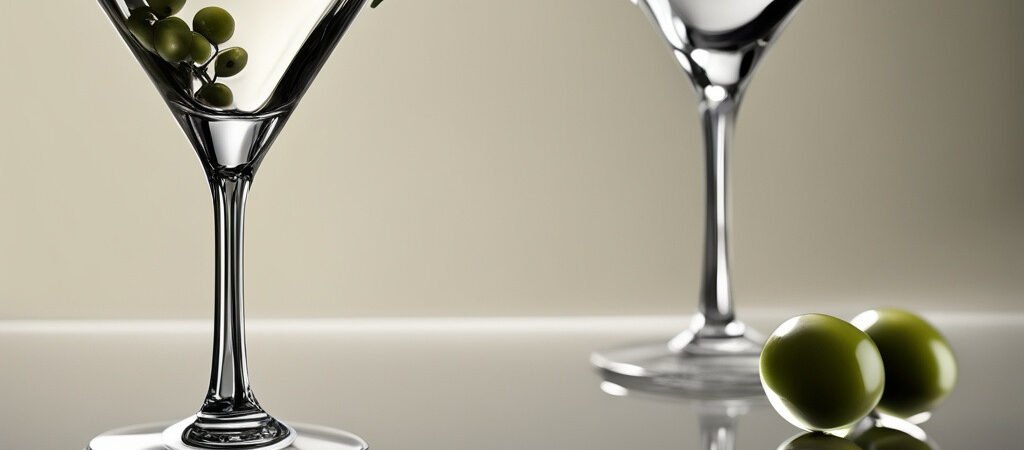
Few cocktails possess the elegance, mystery, and cultural significance of the Martini
Instantly recognisable by its distinctive V-shaped glass and minimalist appearance, the Martini has become a symbol of sophistication for more than a century. Although it contains only a handful of ingredients, the Martini’s influence on cocktail culture is difficult to overstate.
Traditionally made with gin and dry vermouth, the Martini has undergone countless refinements since its emergence in the late nineteenth century. From the sweeter recipes of the Victorian era to the ultra-dry versions popularised during the twentieth century, the drink has continually evolved while maintaining its reputation as one of the world’s most iconic cocktails.
Today, the Martini remains a staple of fine cocktail bars, celebrated for its simplicity, precision, and timeless appeal.
The Origins of the Martini
The exact origins of the Martini remain one of the greatest debates in cocktail history. Several theories have emerged over the years, with historians tracing its roots to a variety of nineteenth-century cocktails that combined gin, vermouth, bitters, and liqueurs.
One popular theory links the Martini to the Martinez, a cocktail believed to have originated in California during the Gold Rush era. The Martinez typically included Old Tom Gin, sweet vermouth, maraschino liqueur, and bitters, and many historians consider it a key predecessor to the modern Martini.
Another theory suggests the drink evolved from cocktails served at the Knickerbocker Hotel in New York, while some accounts point to bartenders gradually refining existing gin and vermouth recipes until the Martini emerged as a distinct cocktail.
Although the precise origin may never be definitively established, most experts agree that the Martini evolved naturally from earlier gin-based drinks during the late nineteenth century.
How the Martini Evolved
The Martini has changed more dramatically than almost any other classic cocktail.
Early recipes often included sweet vermouth, orange bitters, maraschino liqueur, and generous proportions of fortified wine. As drinking tastes shifted during the early twentieth century, bartenders gradually reduced the amount of vermouth, creating a drier and stronger drink. By the 1950s and 1960s, the Dry Martini had become the dominant style. Some bartenders used only a trace of vermouth, while others merely rinsed the glass before adding gin. This spirit-forward approach became synonymous with luxury, confidence, and sophistication. Vodka also entered the equation during the mid-twentieth century, eventually creating the now-famous Vodka Martini. Popular culture, particularly the James Bond films, helped drive the cocktail’s popularity and introduced the famous phrase “shaken, not stirred” to audiences around the world. Today, both gin and vodka versions remain popular, with modern bartenders often revisiting older recipes to rediscover the balance and character of historic Martinis.
Evolution Over Time
Cocktails rarely remain unchanged throughout their history, and the Martini is a perfect example of how a classic drink can adapt to changing tastes while retaining its identity. Early Martinis were sweeter, more complex drinks that often contained Old Tom Gin, sweet vermouth, bitters, and even small amounts of liqueur. Over the decades, the recipe evolved into a drier, cleaner beverage that placed greater emphasis on the base spirit.
The twentieth century witnessed a gradual reduction in vermouth, leading to increasingly dry versions that became fashionable among cocktail enthusiasts. During the vodka boom of the 1950s and 1960s, many drinkers replaced gin entirely, creating the Vodka Martini that remains popular today. Garnishes also evolved, with olives becoming common alongside the traditional lemon twist.
The Martini continues to inspire debate among bartenders regarding ideal gin-to-vermouth ratios, stirring techniques, serving temperatures, and garnish choices. To explore how the Martini has changed throughout its history, this curated video provides a fascinating look at the cocktail’s evolution from a sweeter nineteenth-century drink to the elegant modern classic enjoyed today.
Creating the Perfect Cocktail: The Martini
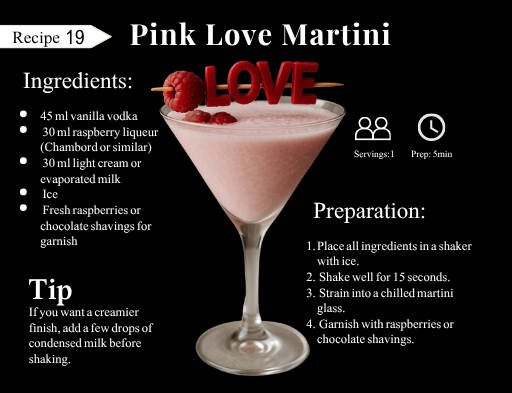
The Pink Martini is a stylish and colourful variation of the classic Martini, designed to bring a sweeter and more approachable flavour profile to one of the world’s most iconic cocktails. Typically featuring ingredients such as vodka, cranberry juice, raspberry liqueur, strawberry liqueur, or pink gin, the drink offers a balance of fruity sweetness and refreshing citrus notes. While it does not share the long history of the traditional gin Martini, the Pink Martini emerged as part of the cocktail renaissance of the 1990s and 2000s
Garnishes and Presentation
The garnish may seem like a small detail, but it significantly influences the Martini’s flavour and aroma.
A lemon twist contributes bright citrus oils that complement the botanicals in the gin, while an olive introduces a savoury note favoured by many Martini drinkers. Some enthusiasts prefer a Gibson, which substitutes a cocktail onion for the traditional garnish.
Presentation is equally important. A properly chilled glass, crystal-clear appearance, and precise dilution all contribute to the Martini’s reputation as one of the most refined cocktails ever created.
Martini Recipe
Preparation Time
5 Minutes
Serves
1 Cocktail
Ingredients
60ml London Dry Gin
10ml Dry Vermouth
Ice
Lemon Twist or Olive
Method
Fill a mixing glass with ice.
Add the gin and dry vermouth.
Stir until thoroughly chilled.
Strain into a chilled Martini glass.
Garnish with a lemon twist or olive.
Popular Martini Variations
Dry Martini: Uses less vermouth for a stronger, more spirit-forward profile.
Wet Martini: Contains a larger proportion of vermouth.
Vodka Martini: Substitutes vodka for gin.
Gibson: Garnished with a cocktail onion.
Dirty Martini: Includes olive brine for a savoury flavour.
Vesper Martini: Popularised by Ian Fleming’s James Bond novels.
Expert Tips for Making the Perfect Martini
Always chill the glass before serving.
Use fresh vermouth and store it in the refrigerator after opening.
Stir rather than shake for a crystal-clear appearance.
Use quality gin with a botanical profile you enjoy.
Measure ingredients accurately.
Avoid excessive dilution by using plenty of ice.
Interesting Martini Facts
The Martini is one of the most famous cocktails ever created.
Its exact origin remains disputed.
The Martinez is widely considered its closest ancestor.
James Bond helped popularise the Vodka Martini.
The Gibson is a Martini garnished with an onion.
Winston Churchill was famously associated with exceptionally dry Martinis.
Some historic recipes included orange bitters.
The Martini glass became an icon of cocktail culture.
There is no universally agreed Martini ratio.
The drink remains a staple of cocktail competitions worldwide.
Conclusion
The Martini has survived changing fashions, shifting tastes, and more than a century of cocktail innovation to remain one of the most respected drinks in the world. Whether prepared with gin or vodka, garnished with an olive or lemon twist, or served dry or wet, the Martini continues to represent the very essence of classic cocktail craftsmanship. Few drinks have evolved so dramatically while maintaining such a strong connection to their heritage, making the Martini a true icon of cocktail history..